Skip to content

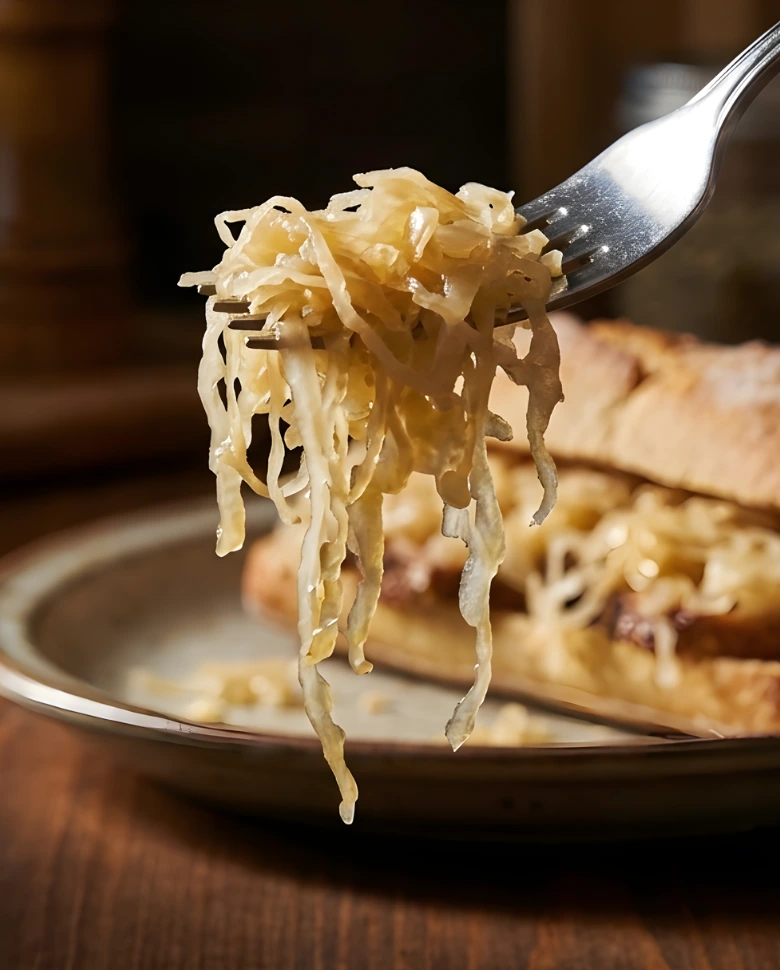
Sauerkraut is one of those simple kitchen projects that changes the way you think about cabbage. A crisp, tangy batch brightens winter sandwiches, bowls, and even soft, pillowy breads. I make a jar each fall and reach for it all winter. Its flavor deepens with time, and it’s shockingly easy. If you like pairing tangy sides with comfort carbs, try it alongside Indian fry bread for a fun contrast.
Why you’ll love this: How to Make Sauerkraut
This sauerkraut recipe is straightforward, no special starter cultures, just cabbage and salt, yet it yields a complex, probiotic-rich flavor. It’s budget-friendly, low-effort, and versatile: use it straight from the jar or cook with it. It’s perfect for weekly meal prep or for elevating sandwiches and roasted meats.
I always keep a jar in the fridge; the tang makes weekday lunches feel intentional.
Step-by-step overview
You’ll shred very fresh green cabbage, massage it with salt until it softens and releases liquid, then tightly pack the cabbage into a jar or crock so it stays submerged in its brine. Ferment at a steady 65–70°F, taste after day 4, and keep going until the acidity and texture match your preference, usually at least 2 weeks.
What you’ll need
- 1 head very fresh green cabbage (adjust quantity as desired)
- 1 1/2–2 teaspoons salt for every pound of cabbage (9–12 grams salt per 450 grams of cabbage), very fresh green cabbage.
- A heavy glass or ceramic jar/crock (mason jars work well)
- A tamper or pounder and a weight (glass/ceramic/non-reactive metal)
- Optional: mandolin or cabbage slicer for thin shreds
Notes/substitutions:
- Use non-iodized salt (sea or kosher). Iodized salt can inhibit fermentation.
- If your jar runs low on brine, dissolve 1 teaspoon of salt in 1 cup of water (2% solution) to top up.
- This kraut pairs beautifully with roasted meats and sandwiches. Try it next to a sliced turkey meatloaf for an easy dinner.
Step-by-step instructions
- Remove outer damaged leaves and halve the cabbage; cut out the core.
- Slice the cabbage very thinly (about 1/8 inch); by-hand slicing or a mandolin gives the best texture avoid a food processor.
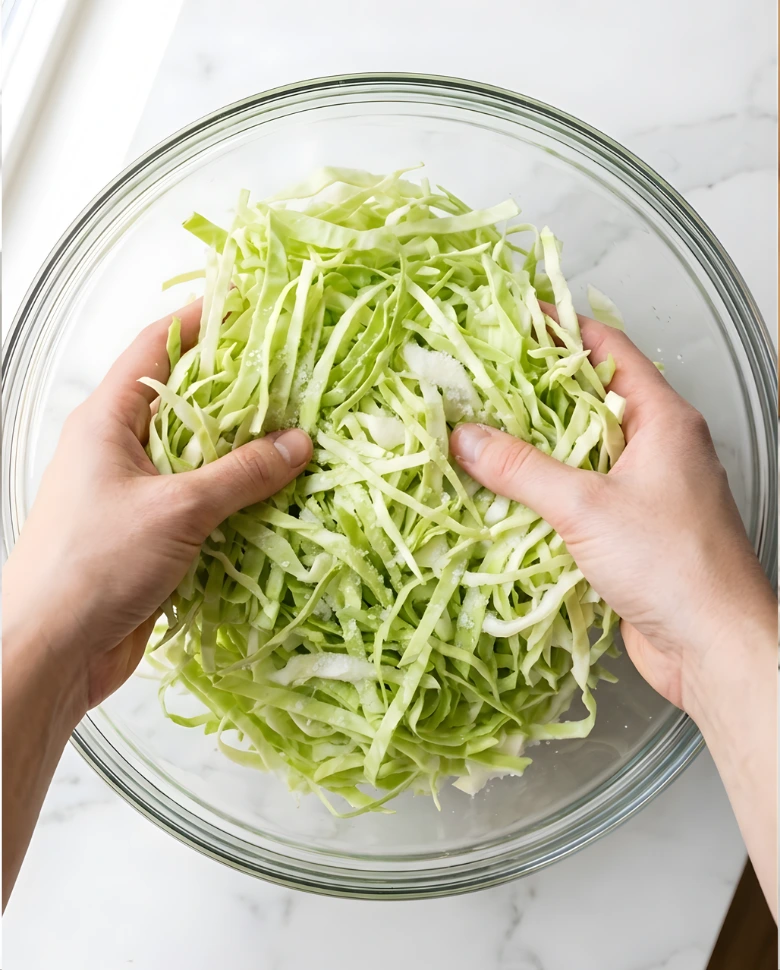
- Place shredded cabbage in a large bowl and sprinkle the measured salt evenly over it.
- Let it sit for 20 minutes until the cabbage softens and releases some juice. You should see visible liquid pooling.
- Pound or massage the cabbage for several minutes until it noticeably wilts and releases more brine; it should feel limp and juicy.
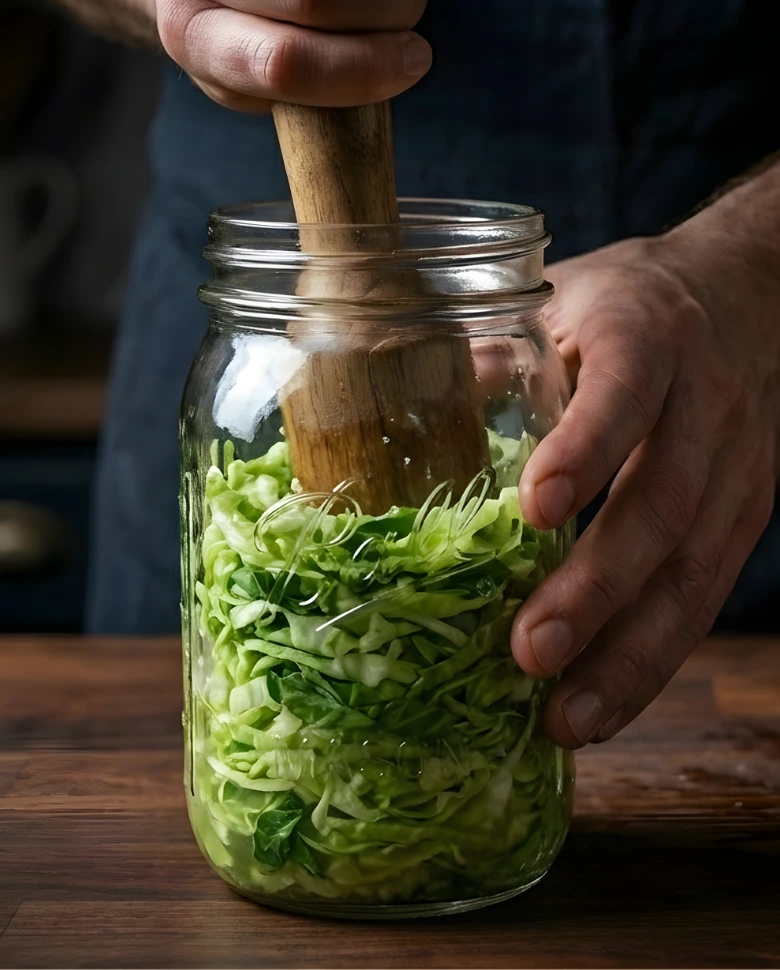
- Transfer cabbage and all released liquid to your jar or crock in batches, tamping each layer down to remove air pockets. Fill jars to about two-thirds to allow bubbling during fermentation.
- Continue tamping until the cabbage is submerged at least ½ inch beneath the brine. If brine is insufficient, add the 2% salt solution (1 tsp salt per cup of water).
- Place a weight on top so the cabbage cannot float; use glass, ceramic, or non-reactive metal.
- Screw lids on fingertip-tight (not fully tight) or use airlock lids per manufacturer instructions. If not using an airlock, open the jar daily to release gas.
- Ferment in a dark 65–70°F spot. After day 4, begin tasting daily; expect a pale yellowish beige color and possibly fizzy brine, both of which are normal. Ferment at least 2 weeks; many prefer longer for deeper tang.
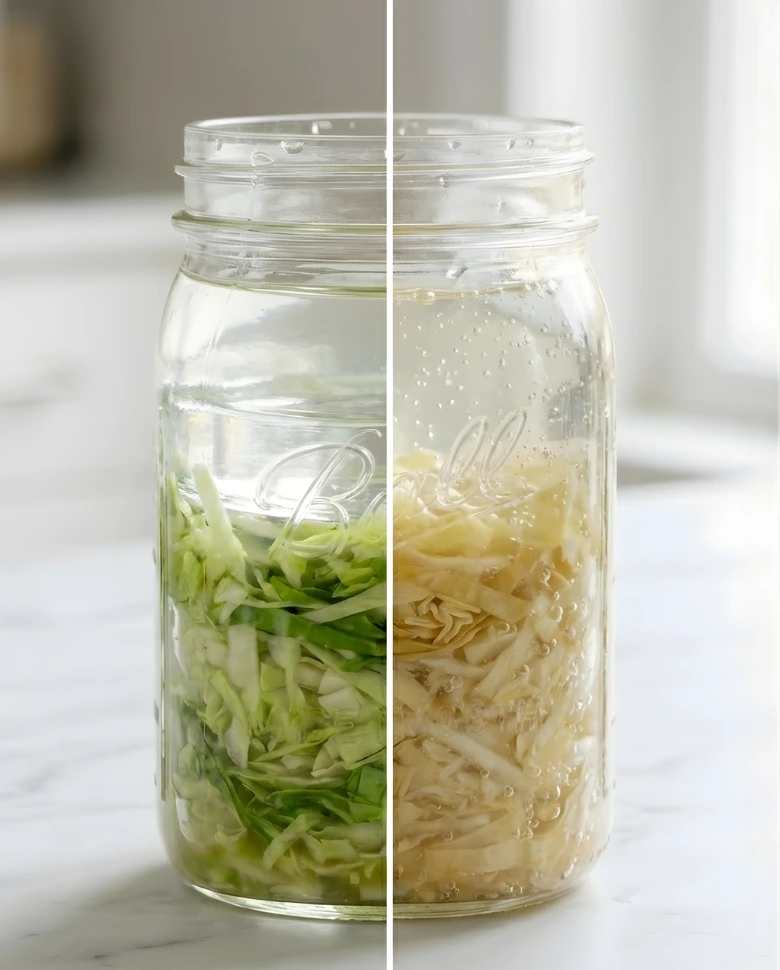
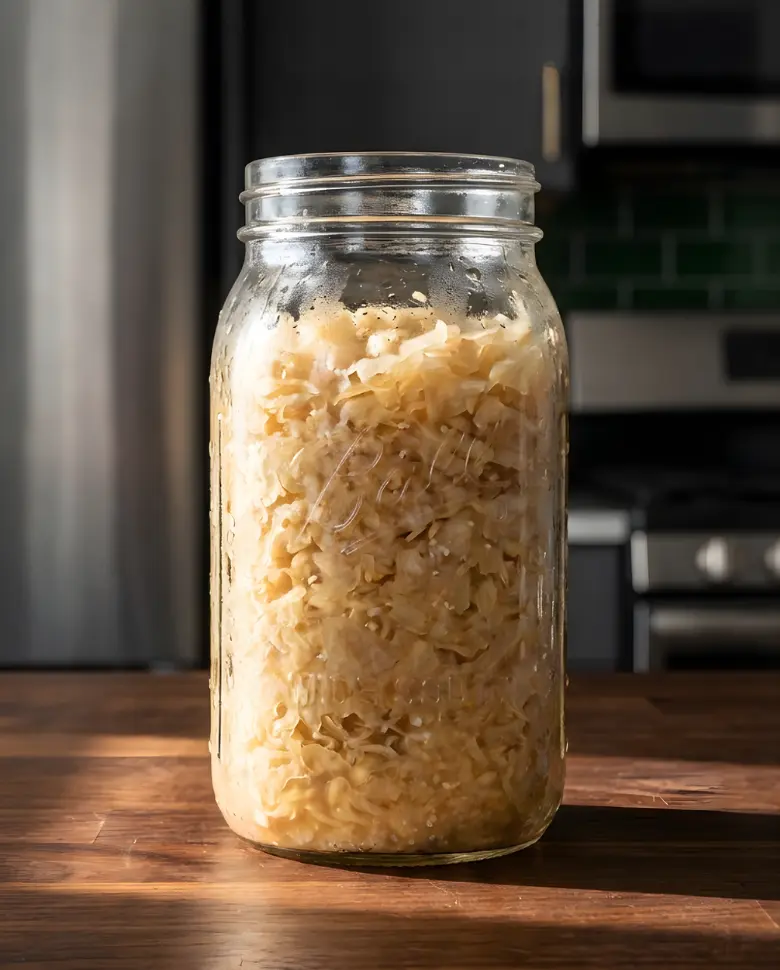
Doneness cues: cabbage should be tender but still have some bite, the brine tangy and pleasantly sour, and the color should have shifted from bright green to pale beige. Fizz indicates active fermentation.
Best ways to enjoy it
Serve sauerkraut straight from the jar as a condiment on sausages, Reuben-style sandwiches, or grain bowls. For plating, drain slightly and garnish with caraway seeds or finely chopped fresh dill. Toss with warm buttered potatoes for a classic side, or add a spoonful to creamy slaws for brightness. A little sauerkraut also refreshes rich dishes think pork chops, grilled sausages, or smoked fish.
Storage and reheating tips
Refrigerate or store in a cold cellar at 38–50°F once it reaches your preferred tanginess. Tighten lids fully to slow fermentation; kraut will keep for many months in the fridge. If it becomes too sour or salty, rinse briefly under cold water before serving. To reheat, warm gently on the stovetop; high heat drains crispness and can kill probiotic bacteria, so low and slow is best. If you’re thinking of unconventional pairings or soup ideas, sauerkraut’s acidity can brighten brothy dishes; see an example like Tom Yum soup for inspiration.
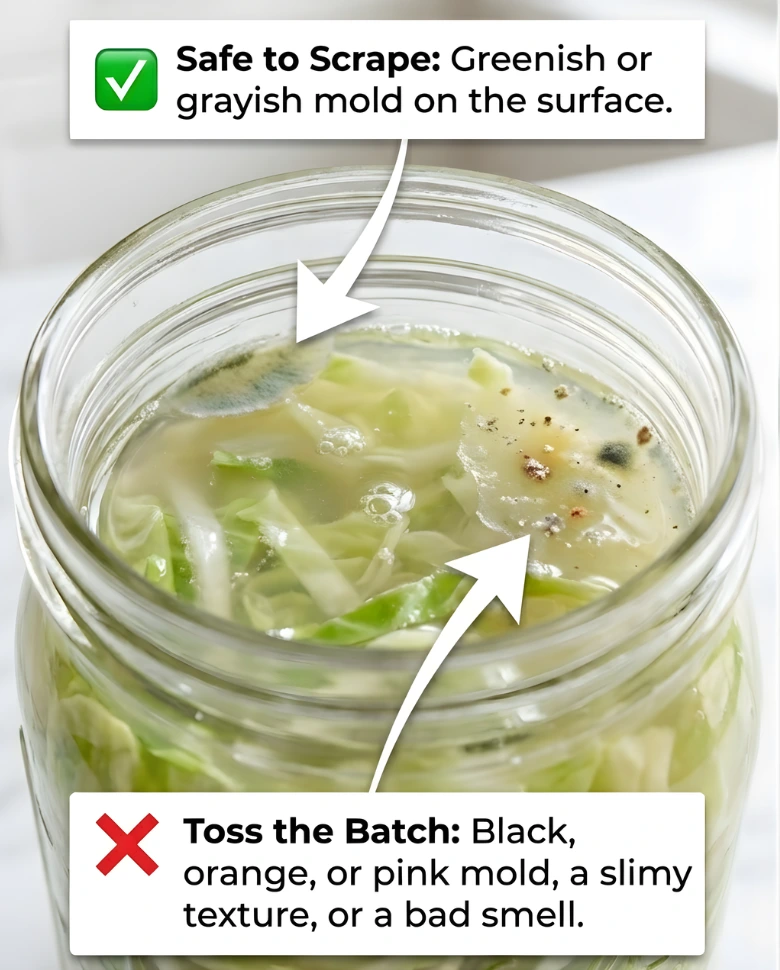
Food safety: always keep the cabbage submerged under brine; exposure to air increases mold risk. If you see mold (fuzzy, colored spots), discard the batch. Normal signs of a good ferment include a clean, sour aroma and occasional bubbles.
Tricks for success
- Use the freshest cabbage possible; older heads produce less juice and a flabbier texture.
- Thin, even slicing helps the salt draw out liquid uniformly.
- If you lack a weight, tightly roll a clean cabbage leaf into a disc that fits the jar and place a small jar or fermentation weight on top.
- Keep fermentation temps steady; cooler temps slow acid production (longer ferment), hotter temps speed it but can create off-flavors.
- Check daily for floating bits and press them back under the brine.
Different ways to try it
- Caraway and juniper: add 1–2 teaspoons caraway seeds and a few crushed juniper berries for a classic flavor.
- Beet and carrot kraut: mix shredded beets and carrots with the cabbage for color and sweetness.
- Spicy kimchi-style: add sliced scallions, garlic, ginger, and Korean chili flakes for heat.
- Use sauerkraut as a bold pizza topping. Consider it on a chicken-crust pizza topped with Caesar salad or on flatbreads to add tang and texture.
Helpful answers
Q: Can I use other cabbages?
A: Yes, red cabbage works, but expect a different color and slightly different flavor; adjust the salt the same way.
Q: How long can I ferment at room temperature?
A: At 65–70°F, ferment at least 2 weeks; you can go 4–6 weeks for more sourness. Cooler temps require longer fermentation.
Q: Can I freeze sauerkraut?
A: Freezing is possible, but changes texture; refrigerated storage is preferred to preserve crunch and live cultures. Freeze only if texture loss is acceptable.
Q: Is it safe if the brine gets cloudy or fizzy?
A: Yes, cloudy brine and fizz are normal signs of active fermentation. A clean, tart aroma indicates success; discard if you detect rotten smells or visible mold.
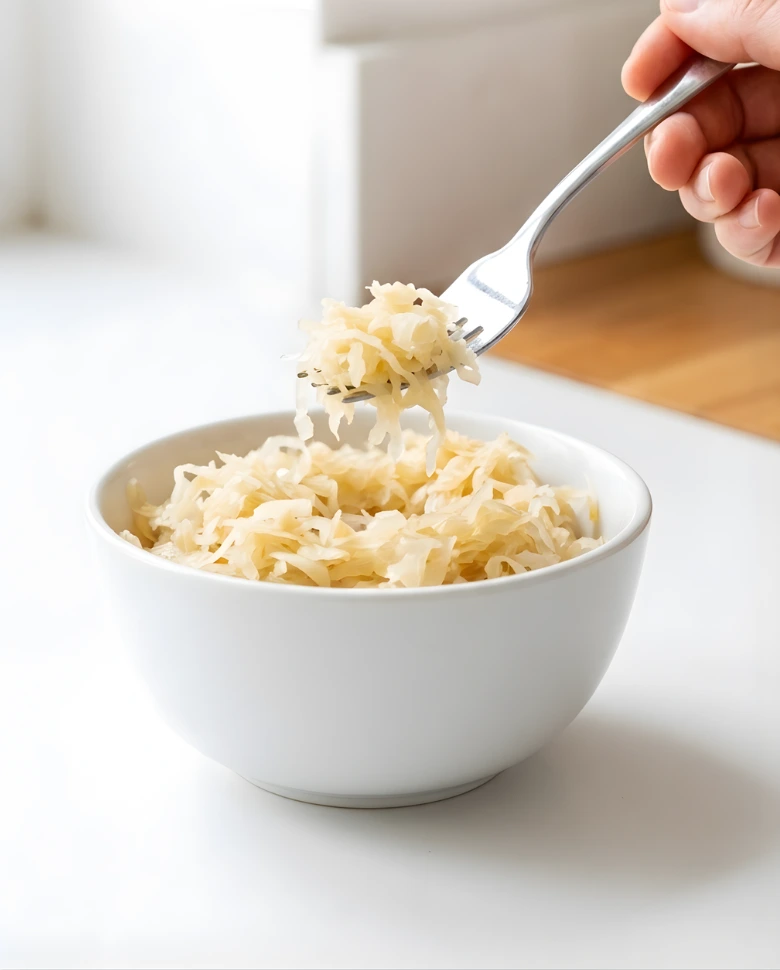
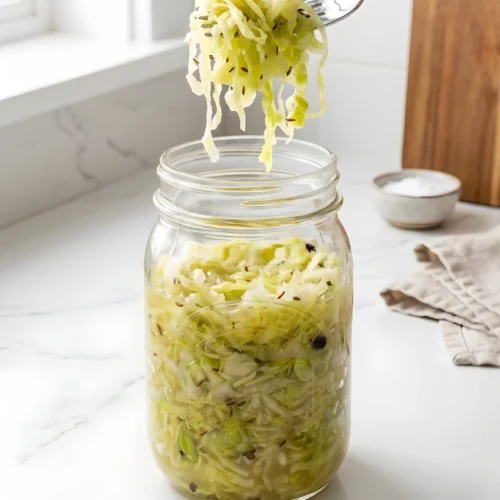
Sauerkraut
Ingredients
Main ingredients
- 1 head very fresh green cabbage Adjust quantity as desired.
- 1.5–2 teaspoons salt Use for every pound of cabbage.
Equipment
- 1 jar heavy glass or ceramic jar/crock Mason jars work well.
- 1 unit tamper or pounder To pack the cabbage.
- 1 weight weight (glass/ceramic/non-reactive metal) To keep the cabbage submerged.
- 1 unit mandolin or cabbage slicer Optional for thin shreds.
Instructions
Preparation
- Remove outer damaged leaves and halve the cabbage; cut out the core.
- Slice the cabbage very thinly (about 1/8 inch); by-hand slicing or a mandolin gives the best texture—avoid a food processor.
- Place shredded cabbage in a large bowl and sprinkle the measured salt evenly over it.
- Let sit for 20 minutes until the cabbage softens and releases some juice.
- Pound or massage the cabbage for several minutes until it wilts and releases more brine.
Packing
- Transfer cabbage and all released liquid to your jar or crock in batches, tamping each layer down to remove air pockets.
- Continue tamping until the cabbage is submerged at least ½ inch beneath the brine.
- Place a weight on top so cabbage cannot float.
- Screw lids on fingertip-tight or use airlock lids as instructed.
Fermentation
- Ferment in a dark spot at 65–70°F for at least 2 weeks, tasting daily after day 4.
- Check for doneness: the cabbage should be tender, the brine tangy, and the color should shift from bright green to pale beige.